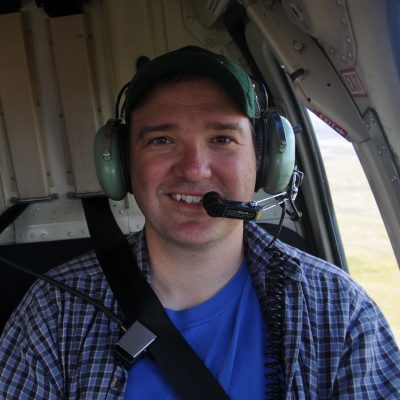
Jullian MacLean

Position
Project Director, Health Methods and Data; Hotii ts'eeda (NWT SPOR Support Unit)
Email
jmaclean@inuvialuit.com
maclean_icc_2018

Education: Masters of Health Administration

Home organization: Inuvialuit Regional Corporation, Hotii ts'eeda (NWT SPOR Support Unit) 

Description of Research Program:

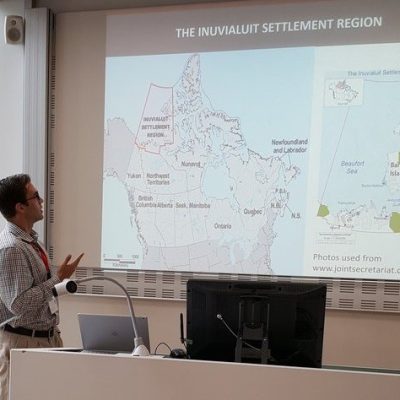
Jullian’s research a collaborative effort with the University of Ottawa that works to address various aspects of food security in the Inuvialuit Settlement Region, through both dietary/epidemiological research (using Inuit Health Survey data) and participatory, community-based work. This work has focused on links between human nutrition and wildlife conservation, dietary sources of nutrients from both traditional and market food, the economic dimensions of healthy market food-based diets, and local-scale food security. Building on this foundation and recognizing the need to address food security at multiple scales, his ongoing research involves significant focus on regional-scale food security governance and policy. Specifically, Jullian’s research works to create a strategic document that can be used by local land-claims organizations and governments as both a guide and advocacy tool to address local food insecurity in the region. 

Research Contributions:

1.  MacLean, J. and Wesche, S.D. (2020, February).  Collaborative Research in the Inuvialuit Settlement Region (Western Canadian Arctic): Building the Evidence-base for an Inuit Food Security Strategy.  Presented at Adaption 2020, Vancouver, Canada. 

2.  Wesche, S and MacLean, J. (2019, December). Scaling-up Arctic Food Security Governance in the Inuvialuit Settlement Region.  Presented at ArcticNet 2019, Halifax, Canada.

3. Kenny, T.A., Myriam, F., MacLean, J., Wesche, S.D., and Chan, H.M. (2018).  Calories are cheap, nutrients are expensive – The challenge of healthy living in Arctic communities.  Food Policy, 80, 39-54. https://doi.org/10.1016/j.foodpol.2018.08.006

4.  Kenny, T.A., MacLean, J., Gale, P., Keats, S., Chan, H.M., Wesche, S.D.  (2018). Linking health and the environment through education – A Traditional Food Program in Inuvik, Western Canadian Arctic. Journal of Hunger & Environmental Nutrition, 13 (3), 429-432. https://doi.org/10.1080/19320248.2017.1420330

5. Kenny, T.A., Wesche, S.D., Fillion, M., MacLean, J., and Hing, M.C. (2018). Supporting Inuit food security: A synthesis of initiatives in the Inuvialuit Settlement Region, Northwest Territories.  Canadian Food Studies, 5(2), 73-110.

6. Wesche, S and MacLean, J. (2018, December). Collaborative research in the Inuvialuit Settlement Region (Western Canadian Arctic): Building the evidence-base for an Inuit Food Security Strategy. Presented at ArcticNet 2018, Ottawa, Canada.

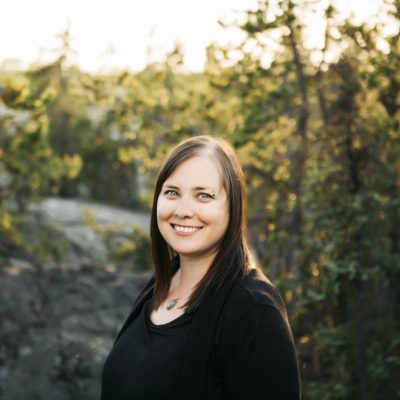
Jess Dunkin, PhD

Position
Research Associate
Email
dunkin.jessica@gmail.com
jessica_dunkin

Education: PhD

Research Statement

Jess Dunkin (she/her) is a settler historian and writer who has lived in Sǫ̀mba K’è (Yellowknife, NT) since 2015. Jess has degrees in history and education from Trent University and Carleton University. Before moving to Yellowknife, Jess was a SSHRC Postdoctoral Fellow in the School of Kinesiology and Health Studies at Queen’s University. Her first book, a monograph about the social and spatial politics of canoeing in late-nineteenth-century North America, was published by the University of Toronto Press in 2019.

Trained as a social historian of sport and leisure, Jess’s research interests have expanded and shifted since moving north in response to community collaborations and priorities to also include histories of residential schooling, land relations and stewardship, and industrial development.

Jess is an adjunct professor in the Faculty of Kinesiology, Sport, and Recreation at the University of Alberta.

Research Program in the NWT

Jess is currently involved in collaborative research projects related to recreation at residential schools and the history of petroleum extraction at Tłegǫ́hłı̨ (Norman Wells).

How I Survived” is a collaboration between the NWT Recreation and Parks Association (NWTRPA) and University of Alberta. Guided by a committee of Survivors and intergenerational Survivors, the purpose of this project is to gather and share the stories of residential and day school Survivors about recreation. This project provides Survivors with an opportunity to share their experiences with the public and will also preserve their stories for future generations.

The Petroleum Histories Project was designed by Ɂehdzo Got’ı̨nę Gots’ę́ Nákedı (Sahtú Renewable Resources Board – SRRB) and the Norman Wells, Tulı́t’a, and Fort Good Hope Ɂehdzo Got’ı̨nę (Renewable Resources Councils), with input from the Nę K’ǝ Dene Ts’ı̨lı̨ –  Living on the Land Forum. The purpose of this project is to document the history and impacts of the oil industry at Norman Wells in order to support Sahtú Dene and Métis participation in regulatory processes related to ongoing operations and closure and reclamation of the Norman Wells oil field and to strengthen present and future In­digenous roles in monitoring, stewardship, and decision-making.

Significant Contributions

Co-author with Walter Bezha and Deborah Simmons. “Dechı̨ta Nezǫ Gots’udı́ – Living Well on the Land.” Xàgots’eèhk’ǫ̀ (under review).

Co-author with John B. Zoe. “Dè Goı̨zı̀ (Place Names).” In Being Indigenous Archaeologists: Reckoning New Paths Between Past and Present Lives. Eds. George Nicholas and Joe Watkins. Routledge (forthcoming).

With the Petroleum Histories Project Team. “A Century of Petroleum Extraction at Tłegǫ́hłı̨ (Norman Wells).” Post for activehistory.ca. 5 December 2023.

Co-author with Crystal Gail Fraser. “This Year Book…has been entirely produced by staff and students”: Indigenous Youth, Indian Schooling, and Historical Production in the Northwest Territories, 1959–71.” Historical Studies in Education 35, no. 1 (Spring 2023): 65-94.

Co-author with Jean Polfus and Tee Lim. “In Memoriam: Deborah Simmons.” Xàgots’eèhk’ǫ̀ 1, no. 1 (2022): 162-4.

Co-author with John B. Zoe. “Indigenous Land and Rights.” In Lines in the Snow: Thoughts on the Past and Future of Northern Canadian Policy Issues. Eds. Clive Desire-Tesar and Whitney Lackenbauer, 11-21. Ottawa: Canadian Arctic Resources Committee, 2021.

Co-author with John B. Zoe. “Whaèhdǫǫ̀ Etǫ K’è.” In The Politics of the Canoe. Eds. Bruce Erickson and Sarah Wylie Krotz. Winnipeg: University of Manitoba Press, 2021.

Canoe and Canvas: Life at the Encampments of the American Canoe Association, 1880-1910. Toronto: University of Toronto Press, 2019. 

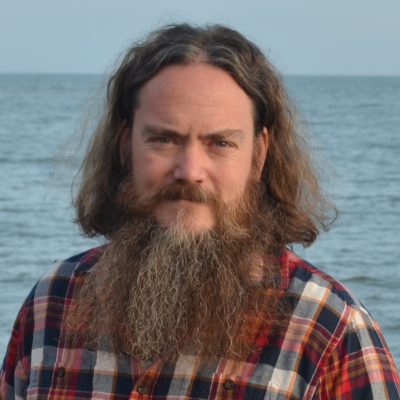
Chris Burn, DSc

Position
Chancellor's Professor, Carleton University
Location
Ottawa
Email
christopher.burn@carleton.ca
c

Research statement

I am interested in the behaviour of permafrost terrain in response to natural and artificial disturbances such as climate change and construction. I am particularly concerned with questions that are associated with management of human activities and structures in the North, such as the anticipated additional maintenance costs that climate change will induce for infrastructure built on permafrost. I am interested in developing field methods for mitigating some of the effects of climate change on permafrost, especially by manipulation of snow cover. In addition to projects that stem from these interests, I am also pursuing studies regarding the evolution of permafrost terrain and its characteristics, such as the behaviour of drunken forest above permafrost, the development of ice-wedge polygons, subsidence of the ground surface with active-layer deepening, and effects of vegetation development in drained lakes on ground temperatures.

Research Program in the NWT

The field investigations principally take place on NW Garry Island and at the Illisarvik experimentally drained lake on Richards Island, both sites near the western Arctic coast. At both locations we monitor ground temperatures to depths of up to 50 m, concentrating on conditions in the near-surface, i.e. the upper 10 m of the ground. At Garry Island the current record began in 1997, but we are able to compare these measurements with data collected by the late Dr Ross Mackay of UBC in 1969-71. These provide some of the longest records of temperature change in permafrost induced by climate. At Illisarvik we are also measuring changes in the elevation of the ground surface due to thickening of the seasonally thawed active layer above permafrost. In soils, the top of permafrost is characteristically ice-rich, so deepening of the active layer leads to thawing of near-surface ice and settlement of the ground surface. At Garry Island we have been measuring the effects of climate warming on ice-wedge polygons, and have been studying whether the polygons subdivide by infrequent extra cracking during cold winters or as large ice wedges cease to crack due to accumulation of snow near them. 

Significant Contributions

Wilson, A.M., Burn, C.R., and Humphreys, E.R. 2019. Vegetation development and variation in near-surface ground temperatures at Illisarvik, western Arctic coast. In Cold Regions Engineering 2019: Proceedings of the 18th International Conference on Cold Regions Engineering and the 8th Canadian Permafrost Conference, 18-22 August 2019, Quebec City, QC. Edited by J-P. Bilodeau, D.F. Nadeau, D. Fortier and D. Conciatori. American Society of Civil Engineers: Reston, VA: 687-695. doi.org/10.1061/9780784482599.079

O’Neill, H.B., and Burn, C.R. 2017. Impacts of variations in snow cover on permafrost stability, including simulated snow management, Dempster Highway, Peel Plateau, Northwest Territories. Arctic Science, 3(2): 150-178. doi: 10.1139/AS-2016-0036 

Burn, C.R. (editor), 2012. Herschel Island Qikiqtaryuk:A natural and cultural history of Yukon’s Arctic island. Wildlife Management Advisory Council for the Yukon North Slope and University of Calgary Press, Whitehorse, YT.

Palmer, M.J., Burn, C.R., and Kokelj, S.V. 2012. Factors influencing permafrost temperatures across tree line in the uplands east of the Mackenzie Delta, 2004-2010. Canadian Journal of Earth Sciences, 49(8): 877-894. doi: 10.1139/e2012-002

Burn, C.R., and Kokelj, S.V. 2009. The environment and permafrost of the Mackenzie Delta area. Permafrost and Periglacial Processes, 20(2): 83-105. doi: 10.1002/ppp.655

Burn, C.R. 1997. Cryostratigraphy, paleogeography, and climate change during the early Holocene warm interval, western Arctic coast, Canada.  Canadian Journal of Earth Sciences, 34(7): 912-925. doi.org/10.1139/e17-076

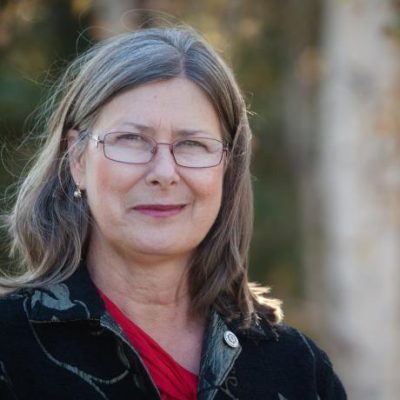
Steve Kokelj, PhD

Position
Research Associate
ari_logo_circle_colour

Glen MacKay

Position
Territorial Archaeologist, Prince of Wales Northern Heritage Centre
Email
glen_mackay@gov.nt.ca
mackay_headshot_gm

Education: Master of Arts (Anthropology)

Home organization: Prince of Whales Northern Heritage Centre

Research statement:

I am the manager of the NWT Cultural Places Program (CPP) with the Government of the Northwest Territories. I manage the CPP’s work to protect and investigate archaeological sites in the NWT, as well as our work to promote and recognize Indigenous community and geographical place names.  My research revolves around community-based approaches to conducting archaeological studies – using archaeological methods to assist communities with their objectives related to culture and heritage. My research also addresses climate change impacts on archaeological sites and cultural landscapes in the NWT, including the erosion of coastal archaeological sites, melting alpine ice patches, site disturbances caused by thawing permafrost, and forest fire impacts on wood surface features. We are using many different methods to tackle this issue, from working with Indigenous elder to map areas of cultural significance to using remote-sensing technologies to detect impacts and create detailed records of archaeological sites at risk.    

Description of Research Program:

My current research project is the Shutagot’ine Cultural Landscape Project (SCLP). The SCLP is a community-based project in partnership with the Tulita Dene Band. The objectives of the SCLP are to study significant archaeological sites at risk of impact from climate change–linked processes in the Mackenzie Mountains, including historic caribou and sheep fences and ancient alpine ice patches, and to restore Shutagot’ine geographical place names for mountains, river, lakes, and other features in the Mackenzie Mountains as official names in Canada. The SCLP draws on traditional knowledge and science perspectives to learn about Shutagot’ine land use, and employs diverse methods to create detailed records of Shutagot’ine hunting sites, including high-resolution recording using unmanned aerial vehicles, dendrochronology techniques to determine when fence structures were built, and map-based interviews with Shutagot’ine elders to build knowledge about Shutagot’ine geographical place names.     

Scientific Contributions:

1. MacKay G, Andrew L, Smethurst N, and Andrews TD. 2019. Rapid loss of perennial alpine ice patches in the Selwyn and Mackenzie Mountains, NWT. In State of the Mountains Report, Volume 2. Edited by L. Parrott, Z. Robinson, and D. Hik. The Alpine Club of Canada, Canmore, AB., pp. 26-28.

2. MacKay G, and Smethurst N. 2018. Climate change and the coastal erosion crisis in the Northwest Territories. Oral presentation at the 51st Annual Meeting of the Canadian Archaeological Association, Winnipeg, MB. 

3. MacKay G, and Andrews TD. 2016. The precontact history of subarctic Northwest Canada. In Oxford Handbook of the Prehistoric Arctic. Edited by TM Friesen and O Mason. Oxford University Press, Oxford. pp. 563-584.

4. Andrews T.D., MacKay G., and Andrew L. 2012. Archaeological Investigations of Alpine Ice Patches in the Selwyn Mountains, Northwest Territories. Arctic 65(5):1-21.

5. Andrews T.D., MacKay G., Andrew L., Stephenson W., Barker A., and the Shuhtagot’ine elders of Tulita. 2012. Alpine ice patches and Shuhtagot’ine Land Use in the Mackenzie and Selwyn Mountains, Northwest Territories, Canada. Arctic 65(5):22-42.

6. MacKay, G., Burke, A.L., Gauthier, G., and Arnold, C.D. 2013. Mackenzie Inuit lithic raw material procurement in the lower Mackenzie Valley: The importance of social factors.  Arctic 66(4): 483-499.

Candice Lys, PhD

Position
Co-Founder & Executive Director of FOXY/SMASH
Location
Yellowknife
Email
candice@arcticfoxy.com
candice_lys_-_headshot

Research Statement

Dr. Candice Lys grew up in a very large Métis family in Fort Smith, NWT and now resides in Yellowknife.  She holds a PhD in Public Health Science from the University of Toronto, a MA in Health Promotion from Dalhousie University, and a BA Honors (with First Class Honors) in sociology from the University of Alberta.  She has over 20 years of experience as a community-based sexual and mental health promotion expert and researcher. 

Candice is the Co-Founder/Executive Director of FOXY (Fostering Open eXpression among Youth) and SMASH (Strength, Masculinities, and Sexual Health).  FOXY and SMASH are peer-led, trauma-informed, arts-based sexual and mental health community-based research interventions that use the arts to facilitate discussion, education, and healing among Northern and Indigenous youth.  FOXY and SMASH have reached over 10,000 youth from across the Northwest Territories, Nunavut, and Yukon over the last eleven years, and in 2014 FOXY was the first organization to be awarded the entire $1 million Arctic Inspiration Prize.

Dr. Lys is involved with several territorial and national research projects, primarily in the fields of youth health, Indigenous health, sexual and mental health, HIV prevention, and land-based programming.

Research Program in the NWT

Candice is currently involved in evaluating the effectiveness of FOXY and SMASH, and further exploring the sexual and mental health needs of Northern and Indigenous youth, with the goal of improving youth-focused programming and healthcare services. . 

Significant Contributions

Lys, C., Logie, C. H., Taylor, S., Lad, A., Mackay, K., Hasham, A., Gittings, L., Malama, K., Pooyak, S., Monchalin, R., & Adamassu, Z. (2024). Land-Based Retreats as a Method for Building Enabling Environments for HIV Prevention with Northern and Indigenous Adolescents in the Northwest Territories, Canada: Mixed-Methods Findings. AIDS and Behaviour, 28, 3112-3127. DOI: 10.1007/s10461-024-04397-w

Gittings, L., Malama, K., Logie, C., Lys, C., Taylor, S., McNamee, C., Mackay, K., & Adamassu, Z. (2024). Peer and Land-based Approaches for Fostering Empowering and Healthy Relationships with Indigenous and Northern Young People in the Northwest Territories. PLOS One. DOI: 10.1371/journal.pone.0298166

Lys, C., Logie, C., Lad, A., Sokolovic, N., Mackay, K., & Malama, K. (2024). Human Immunodeficiency Virus Prevention Outcomes associated with Arts-based Sexual Health Workshop Participation among Northern and Indigenous Adolescents in the Northwest Territories, Canada. International Journal of STD and AIDS. DOI: 10.1177/09564624241226995

Malama, K., Admassu, Z., Logie, C., Lys, C., Kanbari, A., Taylor, S., Mackay, K., McNamee, C., & Gittings, L. (2024). Prevalence, correlates and trends of intimate partner violence among Indigenous and Northern youths in the Northwest Territories, Canada. Journal of Global Health Reports, 7. DOI: 10.29392/001c.91888

Logie, C.H., Lys, C., Sokolovic, N. et al. (2023). Examining Pathways from Food Insecurity to Safer Sex Efficacy Among Northern and Indigenous Adolescents in the Northwest Territories, Canada. Int.J. Behav. Med. DOI: 10.1007/s12529-023-10195-w

Gittings, L., Malama, K., Logie, C. H., Lys, C. L., Taylor, S. B., Mackay, K. I., . . . McNamee, C. (2022). “Every day I grew stronger and stronger being there”.: empowerment through land-and art-based Peer Leader retreats with Indigenous and Northern young people. International Journal of Circumpolar Health, 81(1), 2125489. DOI: 10.1080/22423982.2022.2125489

Lys, C., Logie, C.H., Mackay K., MacNeill, N., Loppie, C., Gittings, L., & Yasseen, A. (2022). Exploring uptake of HIV/STI knowledge and safer sex-efficacy in an arts-based sexual health workshop among Northern and Indigenous adolescents in the Northwest Territories, Canada, AIDS Care, DOI: 10.1080/09540121.2022.2089617

Logie, C.H., Lys, C.L., Sokolovic, N., Mackay, K., Donkers, H., Kanbari, A., Pooyak, S., Loppie, C. (2021). Contextual factors associated with depression among Northern and Indigenous adolescents in the Northwest Territories, Canada. Global Mental Health 8, e22, 1–10. DOI: 10.1017/gmh.2021.21

Logie, C. H., Lys, C. L., Okumu, M., & Fujioka, J. (2019). Exploring factors associated with condom use self-efficacy and condom use among Northern and Indigenous adolescent peer leaders in Northern Canada. Vulnerable Children and Youth Studies, 14(1), 50-62. DOI: 10.1080/17450128.2018.1554277

Logie, C., Lys, C., Mackay, K., MacNeill, N., Pauchulo, A., Yasseen, A. (2019). Syndemic Factors associated with Safer Sex Efficacy among Northern and Indigenous Adolescents in Arctic Canada. Journal of Adolescent Health: https://doi.org/10.1007/s12529-019-09797-0

Logie, C., Lys, C., Dias, L., Schott, N., Zouboules, M., MacNeill, N., & Mackay, K. (2019). “Automatic assumption of your gender, sexuality and sexual practices is also discrimination”: Exploring healthcare experiences and recommendations among sexually and gender diverse persons in Northern Canada. Health & Social Care in the Community. 1–10. DOI: 10.1111/hsc.12757

Logie C., Lys C., Fujioka J., MacNeill N., Mackay, K., & Yasseen, A. (2019). Sexual practices and condom use among Northern and Indigenous adolescents in Northern Canada: Cross-sectional survey results. BMJSexual & Reproductive Health. 1-8. DOI: 10.1136/bmjsrh-2018-200174

Lys, C. (2018). Exploring Coping Strategies and Mental Health Support Systems among Female Youth in Northern Canada using Body Mapping. International Journal of Circumpolar Health. 77(1): https://doi.org/10.1080/22423982.2018.1466604

Logie, C., Lys, C., Schott, N., Dias, L., Zouboules, M., Mackay, K. (2018). 'In the North you can't be openly gay.' Qualitatively exploring social and structural contexts shaping safer sex practices among sexually and gender diverse persons in the Northwest Territories, Canada. Global Public Health: https://doi.org/10.1080/17441692.2018.1449881

Lys C, Logie C, Okumu M. (2018). Pilot Testing Fostering Open eXpression among Youth (FOXY), an arts-based HIV/STI prevention approach for adolescent women in the Northwest Territories. International Journal of STD & AIDS. 29(10): 980-986. https://doi.org/10.1177/0956462418770873

Lys C, Gesink D, Strike C, Larkin J. (2018). Body Mapping as a Youth Sexual Health Intervention and Data Collection Tool. Qualitative Health Research. 28(7): 1185-1198. https://journals.sagepub.com/doi/10.1177/1049732317750862

Lys, C., Gesink, D., Strike, C., & Larkin, J. (2018). Social Ecological Factors of Sexual Subjectivity and Contraceptive Use and Access Among Young Women in the Northwest Territories, Canada. The Journal of Sex Research, 1-10. DOI: 10.1080/00224499.2018.1544604

Lys, C. (2018). Exploring coping strategies and mental health support systems among female youth in the Northwest Territories using body mapping. International Journal of Circumpolar Health, 77(1). DOI: 10.1080/22423982.2018.1466604

Logie, C., Lys, C., Okumu, M., & Leone, C. (2017). Pathways between Depression, Substance Use, and Multiple Sex Partners among Northern and Indigenous Young Women in the Northwest Territories, Canada: Results from a Cross-Sectional Survey. Sexually Transmitted Infections. 1-3. DOI: 10.1136/sextrans-2017-053265

Lys, C., Logie, C., MacNeill, N., Loppie, C., Dias, L., Masching, R., & Gesink, D. (2016). Arts-based HIV and STI prevention intervention with Northern and Indigenous youth in the Northwest Territories: study protocol for a non-randomised cohort pilot study. BMJ Open. 2016(6):e012399. DOI: 10.1136/bmjopen-2016-012399

Logie, C., & Lys, C. (2015). The Process of Developing a Community-based Research Agenda with Lesbian, Gay, Bisexual, Transgender, and Queer Youth in the Northwest Territories, Canada. International Journal of Circumpolar Health. 74: 1-2. DOI: 10.3402/ijch.v74.28188

Lys, C., & Reading, C. (2012). Coming of Age: How Young Women in the Northwest Territories Perceive the Barriers and Facilitators to Positive, Empowered, and Safer Sexual Health. International Journal of Circumpolar Health. 71: 1-13. DOI: 10.3402/ijch.v71i0.18957

Mike O’Rourke, PhD

Position
Climate Change Archaeologist
Location
Government of the Northwest Territories
Email
Michael_O'Rourke@gov.nt.ca
mor-profilepic

Education:                          PhD (Anthropology)

Home organization:         Prince of Wales Northern Heritage Centre

Research statement:

I am an anthropological archaeologist with experience drawn from a professional career in applied anthropology, as well as academic training within a four-field anthropology department. My experience as both a Traditional Knowledge Facilitator and Geographic Information System (GIS) Analyst in the private sector has yielded a pragmatic understanding of community-based approaches to heritage management. My participation in archaeological field programmes in Alaska and throughout Inuit Nunangat have provided valuable experience with the logistical complexities, rich culture histories and well preserved cultural materials of the North American Arctic. I have a great deal of experience with community-based project management, including the coordination of remote field programmes and ethnocartographic interview sessions.

My research is focused on the vulnerability of Inuvialuit cultural landscapes, which are threatened by the cumulative effects of anthropogenic climate change. Shifts in prevailing weather patterns are taking place at unprecedented rates throughout the circumpolar Arctic, and Inuvialuit cultural landscapes will continue to submerge, erode and literally melt away in the years ahead. As the new GNWT Climate Change Archaeologist, I have begun working with the Inuvialuit Regional Corporation to develop a community-based approach to climate change impact monitoring for ancestral sites and cultural landscapes at risk. Doing so will promote more socially relevant and culturally appropriate methods of heritage management, which will guide Territorial efforts at monitoring and mitigating against climate change impacts to culturally significant locations throughout the Inuvialuit Settlement Region.

Description of Research Program: 

My research on cultural landscape stewardship currently involves four primary aspects:

1) I have begun coordinating the ‘Inuvialuit Place Names Project’ in cooperation with the IRC, in order to establish a comprehensive source of all known Inuvialuit place names. The results will include a community-controlled spatial dataset and online map resource capable of informing a range of research and regulatory initiatives directed by the IRC and its partner agencies.

2) In cooperation with the PWNHC, I have continued to build on my doctoral research results through the ‘desktop-based’ process of monitoring and mapping culturally significant locations. This process involves using satellite and drone imagery to assess the severity of changes brought about by various coastal processes (erosion, thaw slump propagation, dune field expansion, etc) near Inuvialuit ancestral sites and other culturally important locations.

3) I have begun a programme of ‘map-interviews’ with members of the Tuktoyaktuk community, in order to verify the preliminary results of the Inuvialuit Place Names Project, document public perspectives on what a culturally appropriate and socially relevant heritage management practice might consist of, and to highlight still further areas of cultural significance in and around the community.

4) Low-impact archaeological fieldwork is also undertaken at Inuvialuit cultural landscapes which have been identified as both highly valued and at risk of climate-related alteration.  Doing so allows for ‘ground-truthing’ of impacts identified in the desktop-based monitoring process, while providing an opportunity to develop high-resolution maps of various natural and cultural features which comprise these important landscapes, which can inform stewardship decision making processes.

Virtual Speaker Series Talk

https://www.youtube.com/watch?v=06LFXCcqV3w

Scientific Contributions:

1. Friesen, TM and O’Rourke MJE. 2019. Biogeographic Barriers and Coastal Erosion: Understanding the Lack of Interaction Between the Eastern and Western Regions of the North American Arctic. World Archaeology 51(3):484-501. DOI: 10.1080/00438243.2019.1705179

2. O’Rourke, MJE. 2018. Risk and Value: Grounded Visualization Methods and the Assessment of Cultural Landscape Vulnerability in the Canadian Arctic. World Archaeology 50(4):620-638. DOI: 10.1080/00438243.2018.1459205.

3. O’Rourke, MJE. 2018. The Map is Not the Territory: Applying Qualitative GIS in the Practice of Activist Archaeology. Journal of Social Archaeology 18(2):149-173. DOI: 10.1177/1469605318758406.

4. O’Rourke, MJE. 2017. Archaeological Site Vulnerability Modeling: The Influence of High Impact Storm Events on Models of Shoreline Erosion in the Western Canadian Arctic. Open Archaeology 3(1):17-48. DOI: 10.1515/opar-2017-0001.

5. Norman, LEY; Friesen, TM; Alix, C; O’Rourke, MJE; and Mason, OK. An early Iñupiaq occupation: Observations on a Thule house from Cape Espenberg, Alaska. Open Archaeology 3(1):1-16. DOI: 10.1515/opar-2017-0002.

6. O’Rourke, MJE. Value and Fluidity in Collaborative Heritage Research Planning: Perspectives from the Memory, Meaning-Making and Collections Project. Collaborative Anthropologies 8(1-2):58-82. DOI: 10.1353/cla.2016.0004.

Pertice Moffitt, PhD

Position
Research Associate
Location
Yellowknife
Phone
867-920-3062
Email
pmoffitt@auroracollege.ca
moffitt

Research Statement

I’m a qualitative researcher with broad interests, including nursing philosophy and science, nursing ethics, women’s health, culture and health, the scholarship of teaching, evaluation, and health promotion. My research is grounded in over thirty years of nursing practice in the Northwest Territories, including experience in administration, education, and research. I contribute to northern knowledge about maternal-child health, Indigenous health, and rural and remote health.

Click to view my CV

Current Projects

  • SPOR Evidence Alliance
  • Emergency Protection Orders
  • Domestic Homicides
  • Rural and Remote Nursing II

Media

Aurora College researchers study birthing experience for women travelling to Yk

Aurora College Research Associate and Retired Instructor wins National Award

Significant Contributions