Indigenous Knowledge and GEM Data Integration Workshop

Indigenous Knowledge and GEM Data Integration Workshop

Main Project Contact:

Garfield Giff

Project Start Date:

2018

Project End Date:

2020

Project Name:

Indigenous Knowledge and GEM Data Integration Workshop

ARI Team:

Garfield Giff
Annika Trimble

Overview:

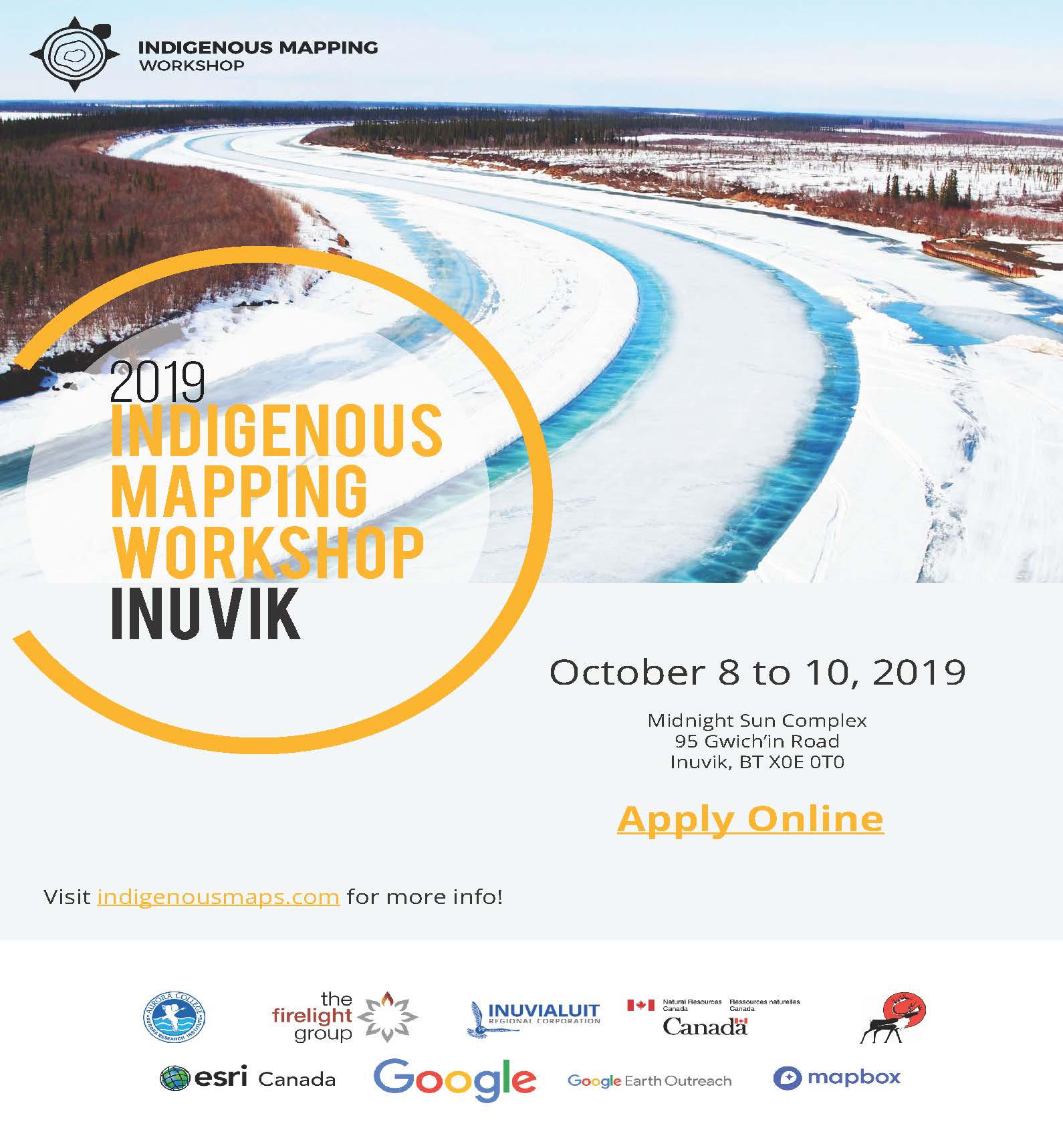
Develop and host in Inuvik, Northwest Territories a 4-day Indigenous Mapping Workshop, which will welcome over 100 Western Arctic community members. The workshop will provide northern communities with innovative training and opportunities to utilize geoscience/spatial data, methods, and tools for community-based activities.

The workshop will enhance northern capacity and empower northern communities in culturally appropriate and relevant ways to inform decision-making. Members are provided with the opportunity to learn and share best practices, and receive hands-on training on geospatial tools used to collect, host, visualize, share, consume data (e.g. GEM data), and publish community-generated spatial data.

At the end of the workshop participants will be aware of and trained in the use of a variety of geospatial tools (e.g., Google, Esri, and QGIS) to support climate change monitoring; northern knowledge capacity and decision-making; knowledge exchanges between Indigenous communities; the integration of geoscience and geospatial data.
Indigenous Mapping Workshop

Objectives:

  1. Grow geospatial awareness in Western Arctic Communities.
  2. Grow geospatial capacity in the Western Arctic.
  3. Grow the awareness of current and potential use of geoscience data in Western Arctic Communities
  4. Deliver training on geospatial tools to Western Arctic Community members.

Methods:

The workshop will deliver training on geospatial applications and tools through:

  • Tutorials
  • Round table knowledge exchange and
  • Hands-on training

Schedule:

Task Number Task Outputs
1

Planning committee development

April-May 2018

Workshop planning committee in place
2

Event logistics and coordination

May 2018-November 2019

  • Team in place to perform event logistic and coordination
  • Rooms identified and reserved
  • Equipment identified and reserved
  • Trainers identified and contacted
  • Technical support planned
3

Outreach and communication strategy

July 2018-September 2018

Outreach and communication strategy
4

Needs assessment and analysis

October 2018-December 2018

  • Strategy for performing needs assessment and analysis
  • Information to inform the development of the workshop
  • Information on how northern communities can utilize GEM data
5

Participant application and event registration

January 2019-February 2019

Website developed for application and registering of participants

Successful applicants informed

6

Curriculum development

January 2019 – March 2019

Draft curriculum presented to the planning committee to ensure it is compliant with needs analysis and provides culturally and appropriate geospatial training.

7

Curriculum review

April 2019 –June  2019

Approved Curriculum

8

Workshop Delivery

October/November  2019

A dynamic mix of indigenous mapping presentations, hands-on training, and knowledge exchange among participants in using and applying geospatial/geoscience technologies is delivered.

9

Post-workshop Evaluation and reporting

November 2019

Workshop report

External Partners:

NRCan: Geo-mapping for Energy and Minerals (GEM) Program
Inuvialuit Regional Corporation 

Gwich'in Tribal Council

The Firelight Group

Google Earth Outreach

ESRI Canada

Health eSteps

Health eSteps

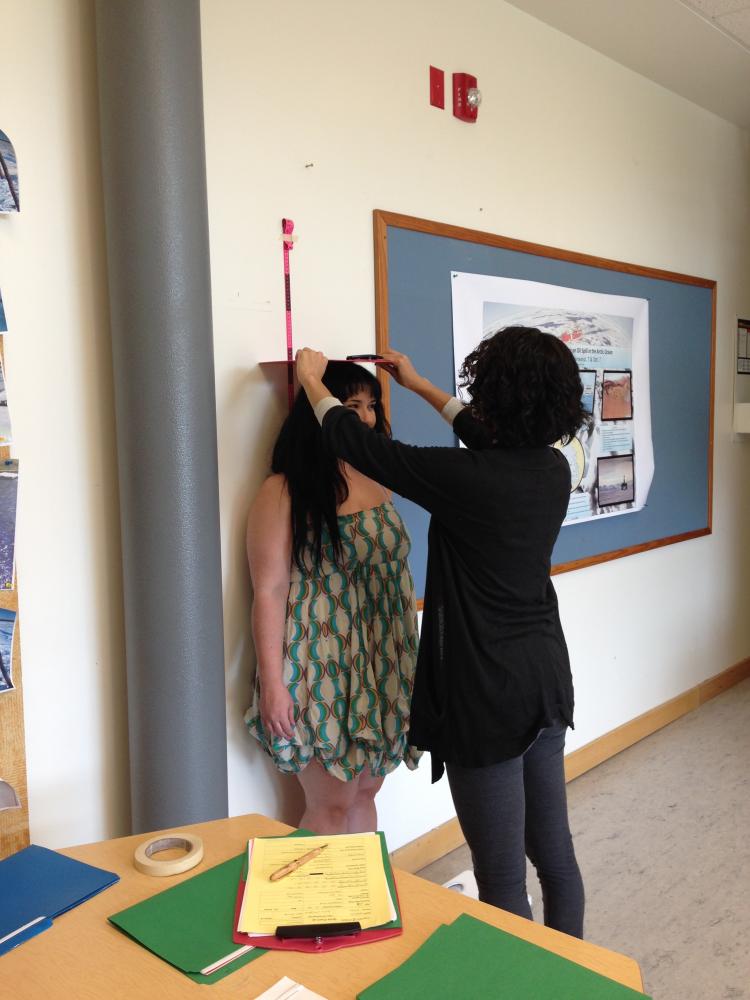
HealtheSteps is a program that gives participants a personalized exercise prescription with simple goals for increasing their physical activity and improving their health.  The project aims to improve individual lifestyle behaviours and health, clinical practice patterns, investments in health technologies, and policy decisions, with the ultimate goal to reduce the growing economic burden of chronic disease on health care systems. Researchers hope to explore how the program can operate and be adapted for northern communities.

Methods

The project is based on research conducted by Dr. Rob Petrella (Western University and Lawson Health Research Institute in London, Canada) and other members of the HealtheSteps Network. During this eight month program, participants complete an easy fitness assessment and answer questions with a program coach.

Afterward, they are given a prescription that is tailored to their habits and needs. Goals are set using realistic increments, such as increasing exercise by 15 minutes per week, and coaches provide suggestions and strategies to help participants meet their goals. Participants do their best to fulfill their prescription and track their health behaviours, then follow up with coaches within 2-3 months. This project is set to start in the winter of 2015 in Fort Smith, in partnership with the Fort Smith Recreation and Community Centre, and in Yellowknife where staff and students from the Aurora College Nursing program are eager to participate.

Results

This project is now closed. To view results click here.


THEMIS (Time History of Events and Macroscale during Substorms)

THEMIS (Time History of Events and Macroscale during Substorms)

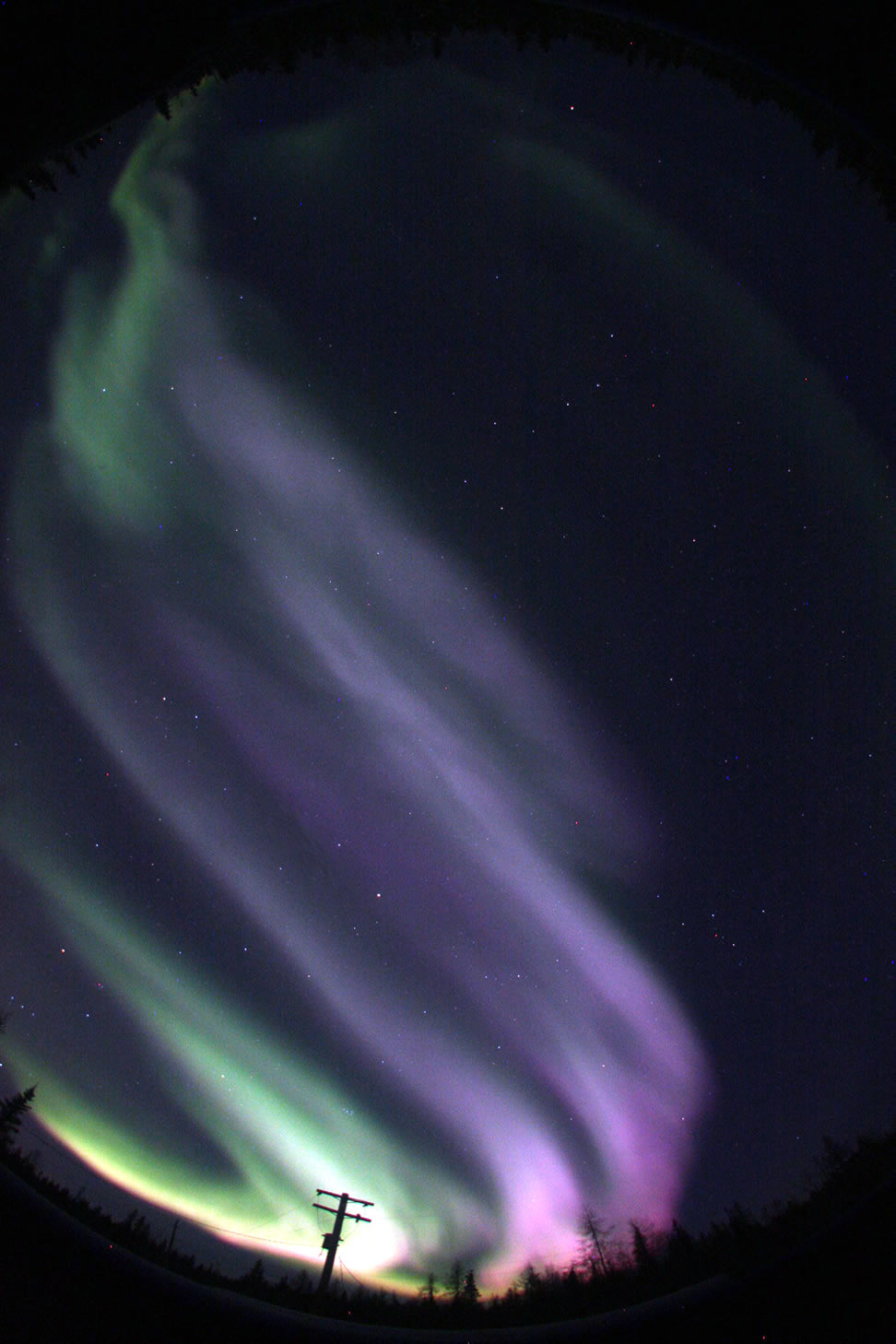
The northern lights are powered by a stream of charged particles that flow out from the sun. Blown towards the earth at 400 kilometers a second, this solar wind causes storms in the magnetic field near the North and South Poles.

But what factors trigger the storms? What causes these charged particles to suddenly explode into dancing columns of light that flit across the sky?

The Canadian Space Agency and the National Aeronautical Space Administration (NASA) are working together on THEMIS to answer these questions. As a network of 20 ground-based observatories (GBO) captures and analyses data from the northern lights, five small NASA satellites, flying in constellation, measure changes in space. Scientists can then compare the satellite data with the observations made on the ground as they refine current theories. More information can be found at http://www.nasa.gov/mission_pages/themis/main/index.html.

With this mission, scientists from the U.S., Canada, and Europe, under the lead of researchers from the University of California at Berkeley, will advance our understanding of processes occurring around the sun and other stars.

The Canadian THEMIS science team is responsible for the 16 ground observatories in northern Canada. Led by the University of Calgary, other partners include Athabasca University, the Universities of Alberta, New Brunswick, and Saskatchewan, and Natural Resources Canada.

Each THEMIS site has a local custodian who has easy access to the GBO, particularly during the winter months when the long nights make conditions ideal for auroral observation. The custodian is responsible for the routine maintenance and upkeep of the observatory, including periodic removal of snow from the dome and satellite dish, removal and shipment of the data disk to the University of Calgary, and occasionally some minor trouble shooting.  The Aurora Research Institute (ARI) provides these services for the THEMIS site in Inuvik - the most northern THEMIS site in Canada.

The above description was adapted from http://aurora.phys.ucalgary.ca/themis/themis_main.html for use on the ARI website, with the permission of the University of Calgary.

AgNorth

AgNorth

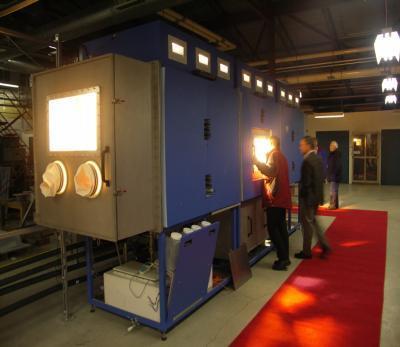
The vision of AgNorth is to develop scalable modular farm stations (high efficiency modular food production systems) that will be able to grow a full complement of nutritional foods and provide economic development opportunities and food security in remote and isolated communities of the NWT.  Originally developed for space exploration, the farm station technology is well suited to conditions in Canada’s north, where extreme temperatures and extended periods of low light make traditional or even greenhouse agriculture impossible.

With funding from CanNor and ITI, ARI is working with Dr. Al Scott at COM DEV Canada and Dr. Mike Dixon from the Guelph Controlled Environment Research Facility  at the University of Guelph to assess the market and technological considerations of applying this technology in the NWTThis work will include a market study and development of business model and production plan.  Technological considerations will also be evaluated, and a prototype design will be developed based on market findings.

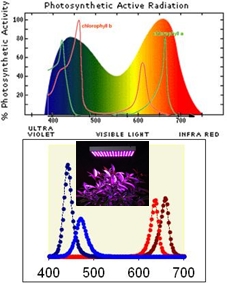
The most challenging and costly seasons for production and distribution of food in the north are those when sunlight is limited. Conventional greenhouse technologies are not feasible for much of the year. What makes the farm station technology unique and so efficient in food production is the use of programmable LEDs, which are specially designed to enhance plant photosynthesis. This makes them much more efficient than natural lighting or broadband illumination. Farm stations would also make use of emerging hydroponics technologies, using sensors to recycle nutrients in the waste effluent. The use of these technologies will create the most volume- and energy-efficient food production system in the world.


Not only would a successful AgNorth program improve food security, lower food costs, improve community health and reduce our food’s carbon footprint, it would create businesses, skills and jobs that will develop economic opportunities for communities and aboriginal peoples across the NWT.

AgNorth Project Reports