
Research Projects
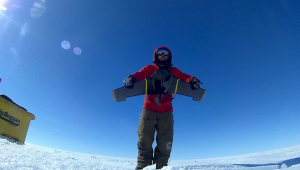
Trail Valley Creek Research Station
The Trail Valley Creek Research Station is located 50 km north of Inuvik, Northwest Territories. Research started at this site in 1991. Trail Valley Creek drains 58 km2 of tundra, with patches of shrubs and boreal forest, and is underlain...
Read More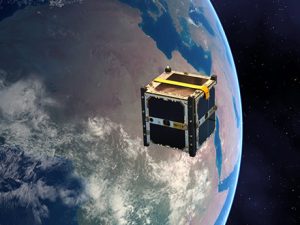
AuroraSat: Canadian CubeSat Project
ARI is partnering with other insitutions to carry about 4 space missions using CubeSats. CubeSats are small satellites built as squares, about the size of a rubik's cube.
Read More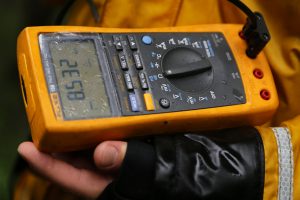
Permafrost Monitoring Program
Recent climate warming has led to increases in surface air and ground temperatures, which has contributed to regional permafrost degradation, or permafrost thaw, across the Beaufort Delta Region. Thawing permafrost has led to infrastructure challenges across the region; roads and...
Read More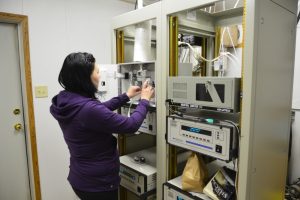
Inuvik Air Quality Monitoring: National Air Pollution Surveillance Network (NAPS)
Air is one of our most precious resources, and is vital to life on earth. Maintaining good air quality in the NWT is an important factor in environmental protection and the protection of human health. Sources of air pollution that...
Read More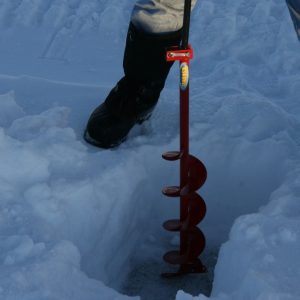
Carbon Monitoring in the East Branch of the Mackenzie River Delta
ARI has partnered with Dr. Aleck Wang of the Woods Hole Oceanographic Institution to monitor water quality parameters in the East Channel of the Mackenzie River near the town of Inuvik. The goal of this monitoring program is to take time-series...
Read More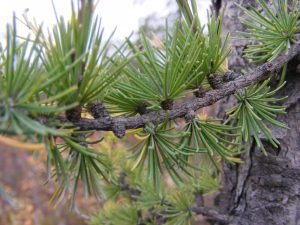
Ethnobotany Garden
The goal of this educational garden is to highlight the traditional uses of plants found in the Mackenzie Delta region. Using traditional knowledge from both the Inuvialuit and Gwich’in, we see that the plants are not just a part of...
Read More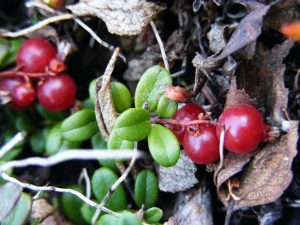
Country Foods
Native plant species have the potential to be successful in the reclamation of northern habitats, because they are well adapted to local climatic conditions. This allows for better long-term survival, and fewer maintenance and fertilizer requirements. In the NWT, there...
Read More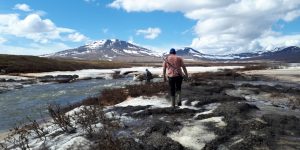
Dempster-ITH Water Quality Monitoring
Retrogressive thaw slumping, due to climate change, is an extreme form of permafrost thaw. This occurs when ice-rich sediment begins to melt, causing the ground to become unstable and collapse. This has significant implications for freshwater systems. There have been...
Read More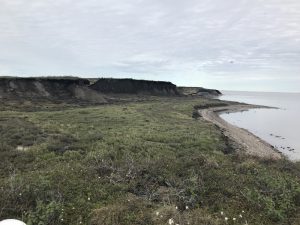
Beaufort Sea Coastal Restoration Project
The overall goal of this study is to explore the potential for using indigenous plant species to revegetate coastline affected by permafrost thaw slumping. Although vegetation is a well-known method for stabilizing soil, little has been done to apply these...
Read More
Breastfeeding in the NWT
This breastfeeding study (2017/18) widened the scope of an initial study that was conducted in the Tlicho region in 2013 and the doctoral work of Dr. Moffitt. Our interest was to generate knowledge that would guide health promotion efforts targeting...
Read More